

Yesterday I was talking with two friends about a question that matters to a lot of people in Manabí: If you had to invest in agriculture or livestock, which would you choose
One friend grows pitahaya. He told me the price he receives has fallen from around $1 per pound to roughly $0.10, and he is thinking about getting out. Another friend talked about dairy farming and receiving around $0.50 per liter of milk.
Those are their numbers, not a guaranteed price for every producer. But they raise a serious question: How do you build a farm that can survive when the market changes?
The risk of depending on pitahaya alone
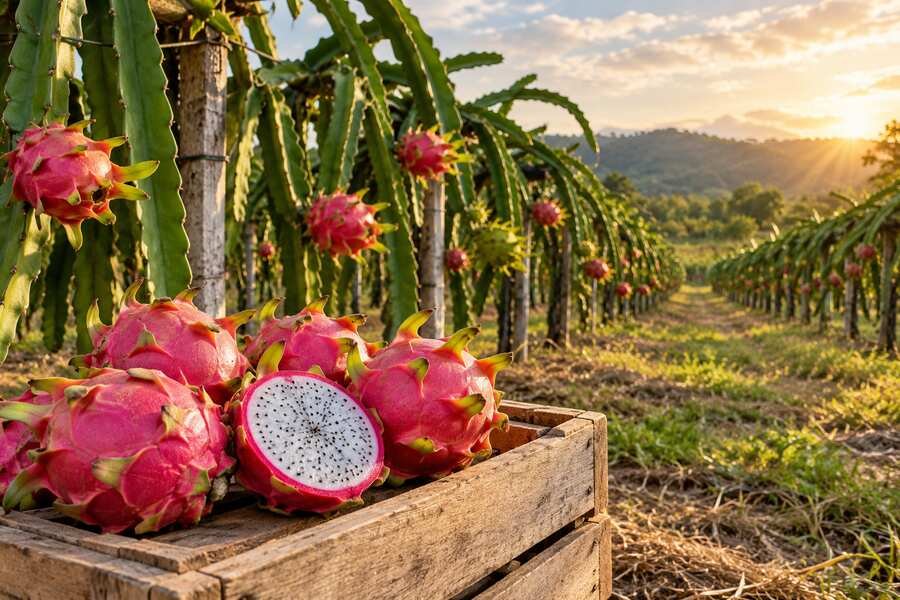
Pitahaya can be a valuable crop. The danger comes when a producer invests heavily based on a high price, then has few options when that price falls.
This is more than one friend’s story. In January 2026, a pitahaya producer told Ecuador’s National Assembly that some small growers had received as little as $0.30 per kilogram—about $0.14 per pound. He described the difficulty of covering production costs when prices depend on international markets and harvest cycles. Read the National Assembly’s account.
Pitahaya also has a deadline: once it is ripe, you need a buyer. If that buyer disappears or offers a much lower price, waiting is difficult.
I would consider growing pitahaya only if I had reliable buyers, realistic production costs, and a plan for fruit that cannot be sold fresh.
Why I would look at cattle
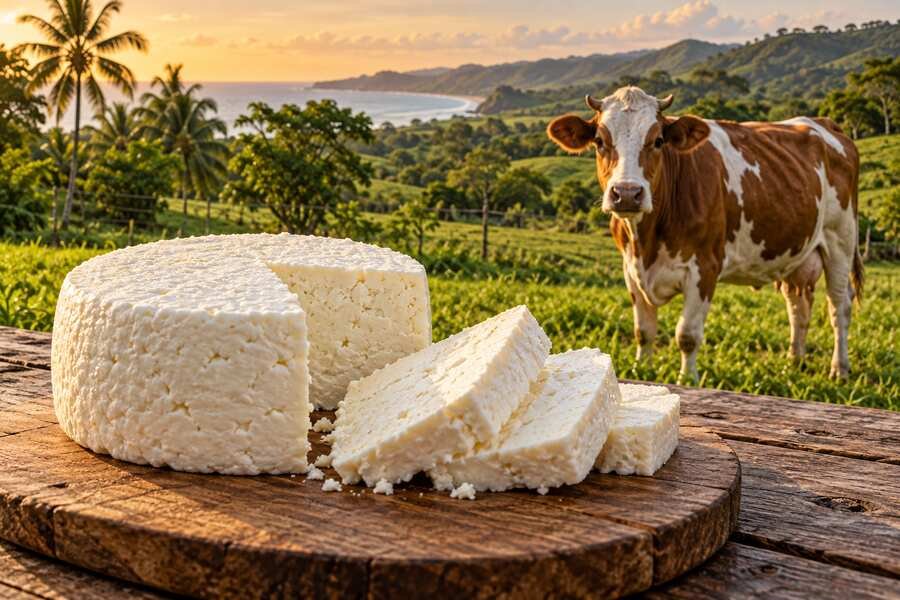
If I had to choose between pitahaya farming and cattle ranching in Manabí, I would choose cattle—but I would not build a milk-only business.
I would start with a doble propósito operation that could earn from more than one source:
- Milk for regular cash flow
- Calves and cattle sales
- Rotational grazing and forage grown on the property
- Eventually, cheese, yogurt, butter or manjar for local customers
Cattle are not easy money. Feed, water, veterinary care, land and labor all cost money. A dairy operation also requires daily work. And turning milk into food products means meeting food-safety requirements and finding dependable customers.
Still, I like having several ways to earn. If the milk price is disappointing, calves or cattle may provide another source of income. If the farm can process milk profitably, selling directly to families, restaurants and hotels may create a stronger local business.
The real decision is bigger than crops versus cattle
I would not invest based on the highest price someone received last year. I would ask: What happens to this business when the price drops?
For pitahaya, I would want buyers and a backup sales plan before planting. For cattle, I would calculate the full cost of producing each liter of milk and raising each animal before buying the herd. I would test demand for dairy products before paying for processing equipment.
My rule is simple: Never depend on one crop, one buyer or one source of income.
That is why, after hearing my friends’ experiences, El Gringo would lean toward a diversified cattle operation in Manabí.
What would you choose—pitahaya, cattle, or something else? And why?
— Carter · El Gringo