

Did you think cocaine was the only thing being smuggled in Ecuador? Think again. Another illegal business generates billions of dollars worldwide: wildlife trafficking, along with the trade in historical and cultural objects of extraordinary value.
Sometimes, smuggling has legs… and a tail.
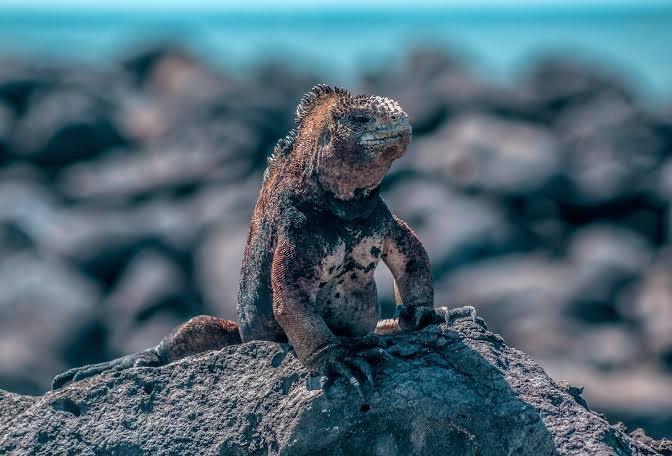
Twenty-four marine iguanas rescued at Quito’s airport were returned to the Galápagos Islands after receiving veterinary care. They are now being kept in quarantine while specialists assess their health and investigate where they came from before considering their release.
But why would anyone try to smuggle iguanas inside a suitcase? The answer may lie in an illegal market where extraordinary amounts of money are paid for exotic animals.
Smuggling in Ecuador: The Multimillion-Dollar Wildlife Trade
Illegal wildlife trafficking has become an extremely lucrative international business. According to estimates cited by the Global Environment Facility, the illegal wildlife trade generates between $7 billion and $23 billion annually worldwide.
Although these figures come from earlier estimates and do not necessarily reflect the market’s current value, they help illustrate the scale of this illegal activity.
Furthermore, Ecuador’s extraordinary biodiversity makes its wildlife a target for trafficking networks seeking to supply international markets. In particular, endemic Galápagos species can command astonishing prices among collectors and buyers willing to acquire protected animals illegally.
According to figures published by Ecuavisa, based on research by the organization TRAFFIC, the following values have been reported in the international illegal wildlife trade:
- Marine iguanas: approximately $25,000 per animal.
- Young Galápagos giant tortoises: between $5,000 and $7,000.
- Adult giant tortoises: approximately $60,000.
It is important to clarify that these figures represent reported values associated with the international market. They are not confirmed prices for the iguanas recently rescued in Quito, nor should they be interpreted as verified current market quotations.
Nevertheless, these amounts help explain why trafficking in protected animals remains a serious threat to biodiversity. When such high prices are offered, wildlife can be treated as a commodity while the ecological damage is pushed into the background.
Tsantsas: The Strange Business of Shrunken Heads
Smuggling in Ecuador is not limited to live animals. The trade in historical and cultural objects has also been surrounded by remarkable stories, particularly when items associated with Indigenous traditions are involved.
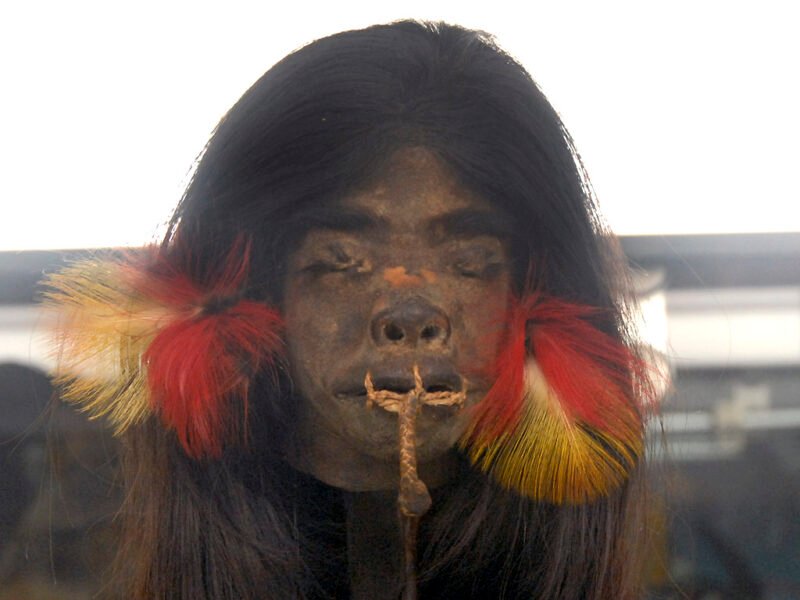
Some time ago, I wrote a chapter for a book that has not yet been published about tsantsas, commonly known as shrunken heads and associated with the ceremonial traditions of the Shuar people.
During my research, I met a man who was looking to acquire an authentic tsantsa. I never found out whether he managed to find one. However, he struck me as the kind of person who might take that search all the way, and to this day, I still wonder how his story ended.
That raises an inevitable question: how much could one of these objects be worth?
In 2015, an auction house recorded the sale of a head presented as a 19th-century Shuar tsantsa for €32,500. This was a documented auction transaction, not a reference price for the current black market.
Even so, the figure demonstrates the considerable commercial interest that certain objects associated with Indigenous history and culture have attracted.
Fake Shrunken Heads: When the Business Is Built on Deception
The story becomes even stranger when commercial imitations of tsantsas are examined.
Research has documented examples presented as shrunken human heads that were actually made using sloth heads or other materials of animal origin. These objects were produced as imitations and marketed by exploiting buyers’ interest in items believed to be authentic.
Of course, these forgeries should not be confused with the original ceremonial practices of Indigenous peoples, whose history and cultural significance deserve to be treated with respect.
Nevertheless, this phenomenon reveals another side of the exotic-object trade: when an item commands a high price, the prospect of making a profit can also encourage deception.
Imagine paying a fortune for what you believe is a shrunken human head, only to discover that you bought an imitation made from a sloth’s head.
Beyond the bizarre nature of the story, an important question remains: how many buyers actually know the origin of the objects they purchase?
The Real Cost of Smuggling in Ecuador
Behind these stories lies a much more serious problem than astonishing price tags or unbelievable anecdotes.
Illegal wildlife trafficking contributes to biodiversity loss, puts vulnerable animal populations at risk, and can disrupt entire ecosystems. Moreover, removing animals from their natural habitats can have consequences that are not reflected in the price paid for each specimen.
In the Galápagos Islands, protecting wildlife is particularly important because of the region’s unique biological diversity. Marine iguanas and giant tortoises are part of a natural heritage that cannot simply be replaced with money.
Meanwhile, the illicit trade in cultural objects raises questions about provenance, authenticity, and the protection of historical heritage. When these items are traded without sufficient guarantees regarding their origins, the interests of the communities connected to their history may also be compromised.
For this reason, smuggling in Ecuador should be understood as a problem that extends beyond the clandestine transportation of goods. It also involves commercial networks, international buyers, and a demand capable of turning protected animals and cultural objects into luxury commodities.
How Did a Marine Iguana End Up Inside a Suitcase?
The return of the 24 marine iguanas to the Galápagos Islands is good news. However, the case also serves as a reminder of how vulnerable protected species are to illegal trafficking.
Every animal removed from its natural environment represents a potential loss for a unique ecosystem. Similarly, every trafficking operation raises questions about who is involved, who is buying, and what measures must be strengthened to prevent these practices from continuing.
Ecuador is internationally recognized for its biodiversity and cultural wealth. Yet both can be threatened when their value is reduced to a price on the illegal market.
A marine iguana belongs on the shores of the Galápagos Islands. It does not belong in a private collection or inside someone’s luggage as part of an attempt to make a fortune.
So, how did it end up inside someone’s suitcase?