

Another curfew in Ecuador. Fewer holiday bookings. And growing uncertainty for the businesses that are trying to survive legally.
The announcement of a new curfew has raised concerns across the tourism sector in Manta, Manabí, where businesses are preparing for another holiday period under movement restrictions. According to El Diario, the November curfew announcement caused about a 15% fall in booking intentions. The local tourism sector reported this decline.
This figure does not represent a confirmed drop in hotel occupancy. However, it signals growing concern among businesses that depend on holiday travel, restaurant visits, entertainment, and tourism activities.
For many people planning a vacation, the appeal is simple: they want to relax, go out for dinner, enjoy themselves, and return to their accommodation without worrying about restrictions. When uncertainty enters those plans, some travelers may decide to cancel, postpone, or choose another destination.
The question is becoming increasingly urgent: how can legitimate businesses endure when emergency restrictions repeatedly affect their income?
Curfew in Ecuador: What Are the November Restrictions?
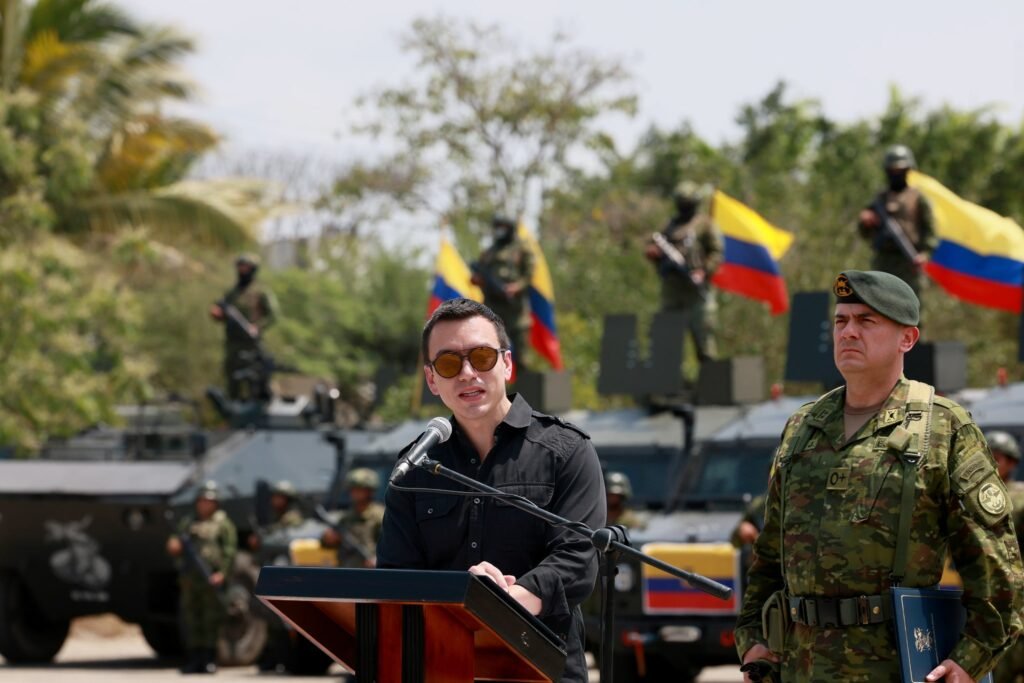
The curfew announced for November will run from November 1 through November 10, from midnight until 5 a.m., including Manabí Province.
According to the government, the restrictions are intended to help police and military personnel conduct security operations, limit the movements of criminal gangs, and reduce risks to innocent civilians.
Public safety is essential. Residents, workers, visitors, and business owners all deserve to live and work without fear of crime, extortion, or violence.
However, understanding the government’s stated objective does not mean that the economic consequences should be ignored. Every restriction also affects people’s ability to work, travel, provide services, and earn a living.
Another Curfew in Ecuador: How Many Times Can Businesses Absorb the Impact?
The November restrictions represent the fourth curfew period of the year, following restrictions in March, May, and September.
For businesses in Manta and elsewhere in Manabí, repeated emergency measures create uncertainty that extends beyond the hours when movement is restricted. Owners must make decisions about staffing, supplies, operating hours, and expenses without knowing how customers will respond or how long the disruption will last.
Hotels and restaurants cannot simply pause their financial obligations until conditions improve. Rent, salaries, electricity, maintenance, and supplier invoices continue to arrive regardless of how many customers walk through the door.
For smaller businesses, another difficult holiday period can have consequences that last well beyond the restrictions themselves.
Are Curfews Delivering Lasting Security Results?
The president has stated that crime fell by 40% during the September restrictions. That claim deserves careful examination, but a temporary reduction in reported crime is only part of the picture.
The more important question is what happened after the restrictions ended.
- Did extortion rates continue to decline?
- Were communities safer in the weeks that followed?
- Could businesses operate with greater confidence?
- Did residents experience a lasting reduction in violence?
- Did law enforcement meaningfully weaken criminal groups over time?
Questioning the policy’s success matters because we should not measure it solely by what happens during a curfew. It should also be evaluated by whether improvements continue afterward.
If restrictions lead to only temporary gains while the same problems reappear, the country should determine why this happens and what extra steps are needed.
A temporary improvement in security must translate into a lasting difference in people’s daily lives.
How the Curfew in Ecuador Affects Manta’s Tourism Businesses
Tourism does not limit itself to hotels. It supports a network of businesses and workers whose incomes depend on visitors being able to move around, spend money, and enjoy their destination.
The impact of a curfew in Ecuador can therefore extend far beyond the restricted hours.
Hotels, Hostels, and Vacation Rentals
Accommodation providers may face cancellations, fewer reservations, and lower demand from travelers who are uncertain about the restrictions. Even when hotels remain open, concerns about the overall travel experience can discourage bookings.
Restaurants and Food Businesses
Restaurants, cafés, and food vendors depend on customers who want to dine out and enjoy local cuisine. Restrictions on late-night movement can reduce customer traffic and limit the hours available to generate revenue.
Bars, Nightclubs, and Live Music Venues
When authorities cut operating hours, nightlife and evening entertainment businesses become particularly vulnerable. Businesses cannot always recover lost hours on another day, especially during a holiday period when demand is time-sensitive.
Taxi Drivers and Transportation Services
Taxi drivers and other transport providers may lose fares when people avoid going out at night or when travel becomes more complicated. Restrictions can also affect workers who need to travel to and from their jobs.
Tour Operators, Guides, and Excursion Businesses
Tourism operators, guides, and businesses offering excursions depend on visitor confidence and predictable travel conditions. When fewer tourists arrive or planned activities are canceled, their income can decline as well.
The Economic Impact Goes Beyond One Business
When a traveler cancels a holiday, the financial consequences can spread throughout the local economy.
A hotel may lose a reservation, but the impact does not necessarily end there. Its employees may receive fewer working hours, its laundry provider may process fewer linens, and its food suppliers may receive smaller orders.
The same chain of effects can reach fishermen, farmers, cleaning staff, drivers, and small businesses that depend directly or indirectly on tourism.
In a coastal destination such as Manta, these connections are especially important because tourism spending can support a wide range of local livelihoods.
Meanwhile, fixed expenses continue to accumulate. Business owners still have to pay rent, salaries, utilities, maintenance costs, and outstanding bills, even when revenue falls.
When someone cancels a vacation, more than one business can lose income.
The longer uncertainty persists, the harder it becomes for legitimate businesses to plan, retain employees, and invest in their future.
Ecuador Needs a Security Strategy That Also Protects Livelihoods
Public safety and economic activity should not be treated as opposing goals. Residents need security, while legitimate businesses need conditions in which they can operate, employ people, and contribute to their communities.
A more sustainable approach should include clear rules, practical arrangements for essential transportation, and transparent public reporting on the effectiveness of security measures.
Authorities should communicate the reasons for restrictions, explain how success will be measured, and publish results that allow the public to evaluate whether the policies are working.
Businesses also need clear guidance so they can make informed decisions about staffing, opening hours, customer services, and operational expenses.
Above all, emergency measures should form part of a broader security strategy rather than becoming a recurring substitute for long-term solutions.
When Will the Emergency End?
Manta’s tourism sector now faces another holiday period under restrictions, while hotels, restaurants, transport providers, and other legitimate businesses must prepare for the possible consequences.
The need for security is undeniable. But the economic burden of repeated emergency measures also deserves serious attention, particularly when the same communities must repeatedly adjust their operations and absorb lost income.
If curfews are necessary, the public deserves evidence of their effectiveness, transparency about their results, and a clear strategy for achieving lasting improvements.
If Ecuador keeps repeating the same emergency measures, when will the emergency finally end?
Do you feel safer because of the curfews in Ecuador, or do you believe the country needs a different long-term approach to security?